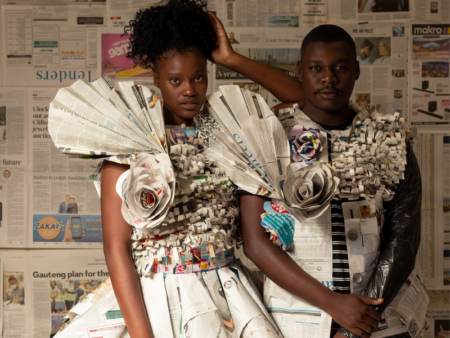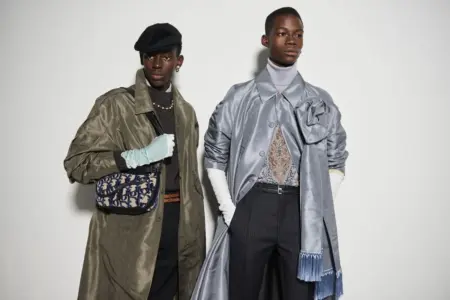

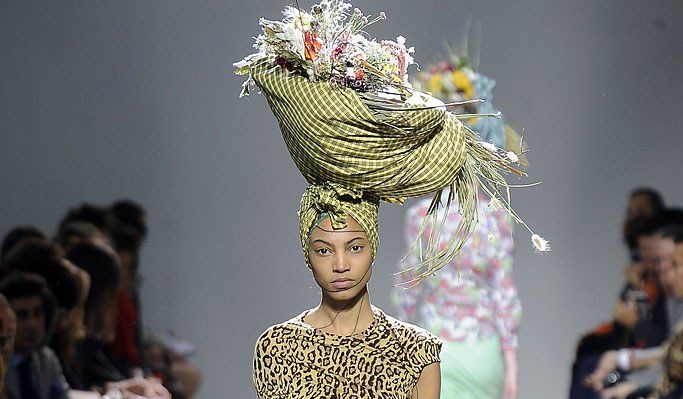
African-inspired couture is increasingly commanding attention on the global fashion stage, and Nigeria is leading the charge. Designers are merging traditional fabrics like Ankara, Aso Oke, and Adire with contemporary and futuristic silhouettes, creating a fusion of heritage and modernity. Nigerian designers such as Lisa Folawiyo, Mai Atafo, and Deola Sagoe have popularized this trend, dressing celebrities and showcasing collections at international fashion weeks.
Afro-futurism in fashion does more than celebrate African heritage; it reimagines it. Designers experiment with bold colors, metallic accents, and innovative cuts that nod to Africa’s past while projecting a cosmopolitan future. Red carpet appearances by Nigerian and diaspora stars have amplified this trend, as high-profile outfits featuring African prints are now embraced by both local audiences and global media.
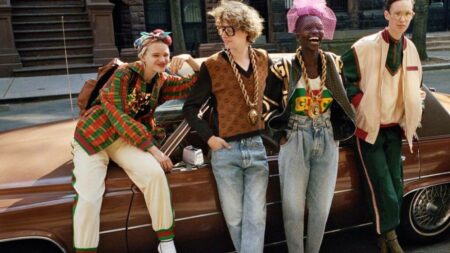
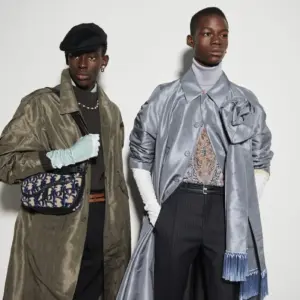
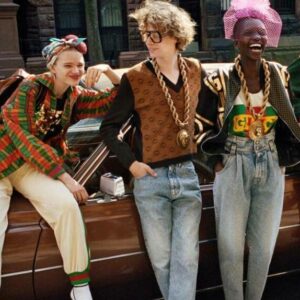
Globally, fashion houses are increasingly taking inspiration from African aesthetics. Brands like Gucci, Dior, and Balmain have incorporated African patterns and motifs into their lines, sometimes in collaboration with African designers. The result is a heightened appreciation for African artistry and craftsmanship while providing Nigerian brands with cross-border visibility.
READ ALSO: Nine Children Rescued from Abduction in Benue State
This movement also intersects with cultural activism. Afro-futurism in fashion challenges stereotypes by positioning African identity at the forefront of contemporary style. It empowers designers to tell stories through textiles, patterns, and design narratives. Consumers are increasingly drawn to the authenticity and storytelling embedded in these creations.
The economic impact is notable as well. Nigerian designers are building global clientele, exporting ready-to-wear collections, and attracting investments. Workshops and training programs for local artisans are also gaining attention, ensuring that traditional techniques are preserved while integrating innovation.
Ultimately, Afro-futurism in fashion highlights Nigeria’s role as a cultural powerhouse. It is both an economic opportunity and a platform for global influence, allowing African designers to shape fashion trends while asserting their cultural identity in a globally connected industry.