

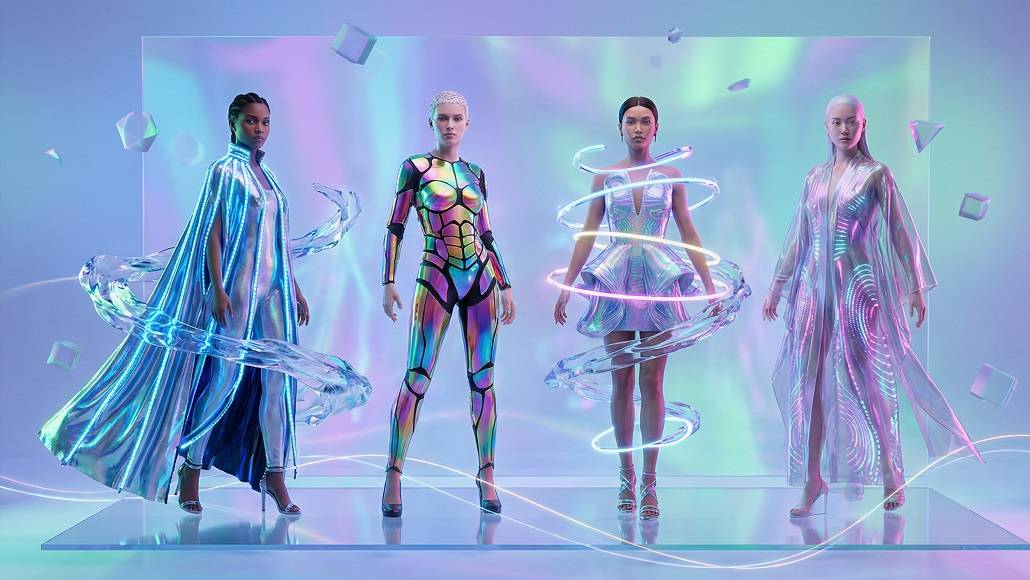
The fashion industry is increasingly embracing technology, with digital fashion and virtual runways transforming design, presentation, and commerce. Nigerian designers are beginning to explore online showcases, virtual fittings, and NFT-based fashion, inspired by global innovators like The Fabricant, Balenciaga, and Dolce & Gabbana, who have introduced entirely digital collections.
Digital fashion allows experimentation without material constraints. Designers can create garments impossible in real life, merging gaming aesthetics, augmented reality, and animation. For Nigeria, this represents an opportunity to showcase creativity globally while bypassing traditional production limitations.
READ ALSO: Nine Children Rescued from Abduction in Benue State
Virtual runways gained prominence during the COVID-19 pandemic and have persisted due to their accessibility and scalability. Designers can reach global audiences, reduce logistical costs, and integrate interactive features such as AR try-ons or 3D visualizations.
NFTs and blockchain technology are redefining ownership and exclusivity in fashion. Digital garments, collectibles, and limited edition drops are generating new revenue streams for designers while appealing to tech-savvy consumers. Nigerian brands are gradually experimenting with these tools, tapping into international markets and digital communities.
The rise of digital fashion also intersects with sustainability. Virtual garments reduce waste from sample production, shipping, and material consumption, aligning with global eco-conscious trends. For African designers, this approach combines innovation with ethical practice.
Ultimately, digital fashion represents a paradigm shift. In Nigeria and worldwide, the merging of technology, creativity, and commerce is reshaping what fashion is and how it is consumed. As virtual runways, NFTs, and augmented experiences expand, designers are positioned to redefine the future of style on a global scale.