

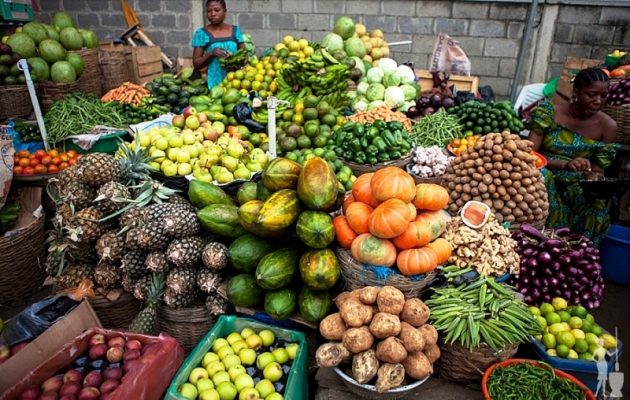
Nigeria’s food inflation rate declined sharply to 8.89 per cent year-on-year in January 2026, marking its lowest level in more than 14 years, according to the latest Consumer Price Index (CPI) report released by the National Bureau of Statistics (NBS).
The data also showed a marginal easing of headline inflation to 15.10 per cent in January, down slightly from 15.15 per cent recorded in December 2025. The outcome defied earlier projections by some analysts who had anticipated a rise toward 19 per cent at the start of the year.
NBS figures indicate that January’s food inflation reading represents the first single-digit print in 128 months and the lowest since August 2011, when the rate stood at 8.66 per cent. Food inflation had remained in double digits continuously from June 2015, when it climbed to 10.04 per cent, through December 2025.
Despite the improvement, members of the Organised Private Sector (OPS) urged caution, warning against over-optimism. They attributed the moderation primarily to improved domestic food production and relative stability in the foreign exchange market.
OPS representatives noted that while the slowdown offers relief to households, structural challenges such as logistics costs, energy prices, and supply chain constraints still pose risks to price stability.
Economic observers say the sustained trajectory of inflation in the coming months will depend on policy consistency, exchange rate dynamics, and agricultural output levels.