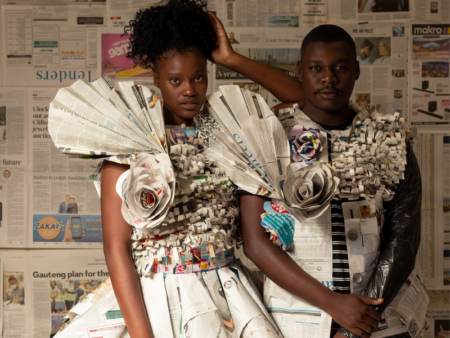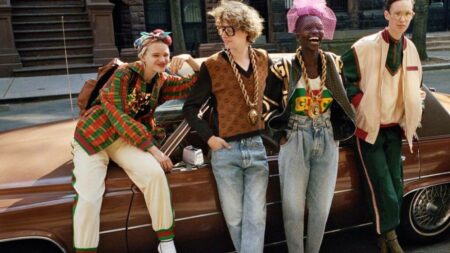


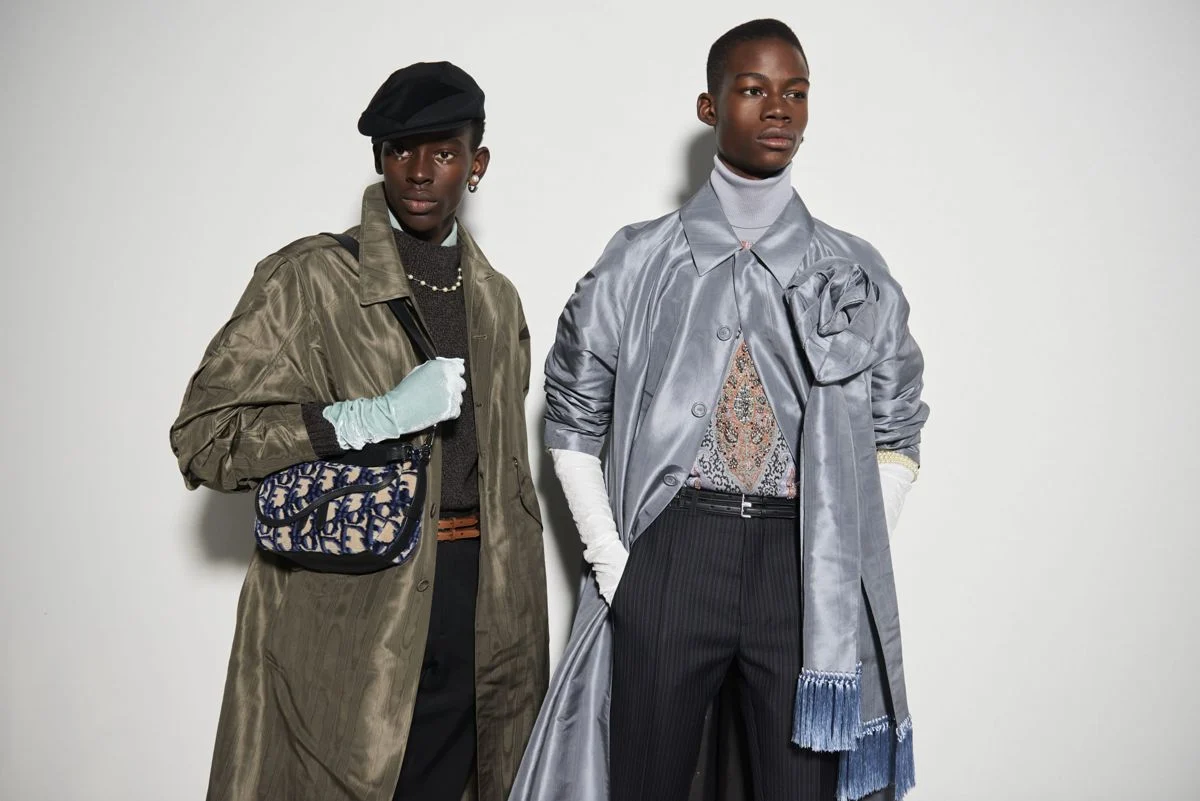
The concept of gender-neutral fashion has gained momentum globally, breaking down traditional barriers of masculinity and femininity in clothing. Nigerian designers are gradually exploring unisex collections that allow individuals to express themselves beyond conventional gendered norms. Designers like Orange Culture and emerging streetwear labels are producing lines that blend traditionally male and female styles, fostering inclusivity and self-expression.
Internationally, gender-fluid fashion has become mainstream. Brands such as Gucci, Louis Vuitton, and Balenciaga are presenting collections where clothes are not defined by gender. Runways now feature fluid silhouettes, and marketing campaigns embrace diversity and non-binary representation. The growing influence of social media amplifies these designs, giving a platform for younger, more progressive audiences.
In Nigeria, the movement also challenges cultural and societal norms. While the market remains conservative in many regions, younger urban populations are increasingly experimenting with fashion to express individuality and resist rigid gender expectations. Streetwear, oversized cuts, and mixed patterns have become popular among youth subcultures, creating an evolving niche market.
READ ALSO: Nine Children Rescued from Abduction in Benue State
The rise of gender-neutral fashion also aligns with global conversations about inclusivity. Consumers are no longer satisfied with binary categorization, demanding options that reflect personal identity. Retailers are responding by expanding size ranges, neutral color palettes, and unisex marketing campaigns.
Fashion experts note that gender-neutral trends encourage creativity and innovation. By moving away from gender constraints, designers explore cuts, colors, and combinations that would otherwise be overlooked, fostering a more versatile and dynamic fashion landscape.
Ultimately, gender-fluid fashion in Nigeria and worldwide reflects a broader cultural evolution — a move toward self-expression, inclusivity, and breaking down entrenched social barriers. It signals a democratization of style, where individuality triumphs over tradition.