

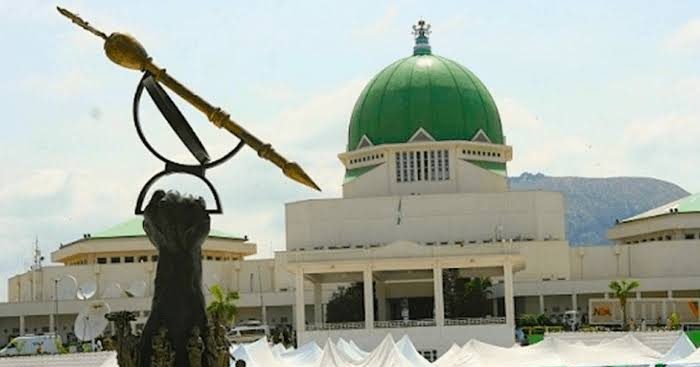
Nigeria’s National Assembly is facing renewed scrutiny as legislative duties increasingly intersect with partisan tensions and public demands for accountability. Lawmakers are navigating competing expectations: advancing policy, exercising oversight and responding to constituents in a volatile socio-economic climate.
Recent debates within both chambers have highlighted divisions over budget allocations, executive proposals and governance priorities. Supporters describe the legislature as active and assertive, pointing to committee investigations and policy deliberations. Critics argue that political alignments continue to shape decisions more than institutional independence.
Oversight functions remain a focal point. Committees have examined issues ranging from public finance management to security expenditure. While some investigations have been praised for exposing inefficiencies, others have drawn accusations of politicisation or selective enforcement.
READ ALSO: Nine Children Rescued from Abduction in Benue State
Legislative-executive relations are evolving. Analysts observe a pattern of cooperation punctuated by occasional friction. The legislature’s approval powers over appointments and budgets give it leverage, but political realities often encourage compromise.
Public expectations are rising. Citizens increasingly demand transparency, efficiency and responsiveness. Civil society organisations have called for reforms to legislative processes, including clearer disclosure of allowances and stricter attendance standards.
Lawmakers defend their record, emphasising constituency projects and legislative outputs. They argue that complex governance challenges require collaboration rather than confrontation. Still, scepticism persists about effectiveness and independence.
Budget debates illustrate broader tensions. Allocations reflect trade-offs between infrastructure, social services and debt obligations. Disagreements reveal competing visions of development priorities.
Political calculations are never far away. Party loyalty, regional interests and re-election considerations shape legislative behaviour. Observers say this dynamic is inherent in democratic systems but warn against undermining institutional credibility.
Reform advocates urge procedural changes to strengthen accountability and performance metrics. Digital transparency tools and enhanced civic engagement mechanisms are among suggested measures.
As Nigeria confronts economic and security challenges, the legislature’s role remains pivotal. Its capacity to balance politics with governance responsibilities will influence democratic stability.