

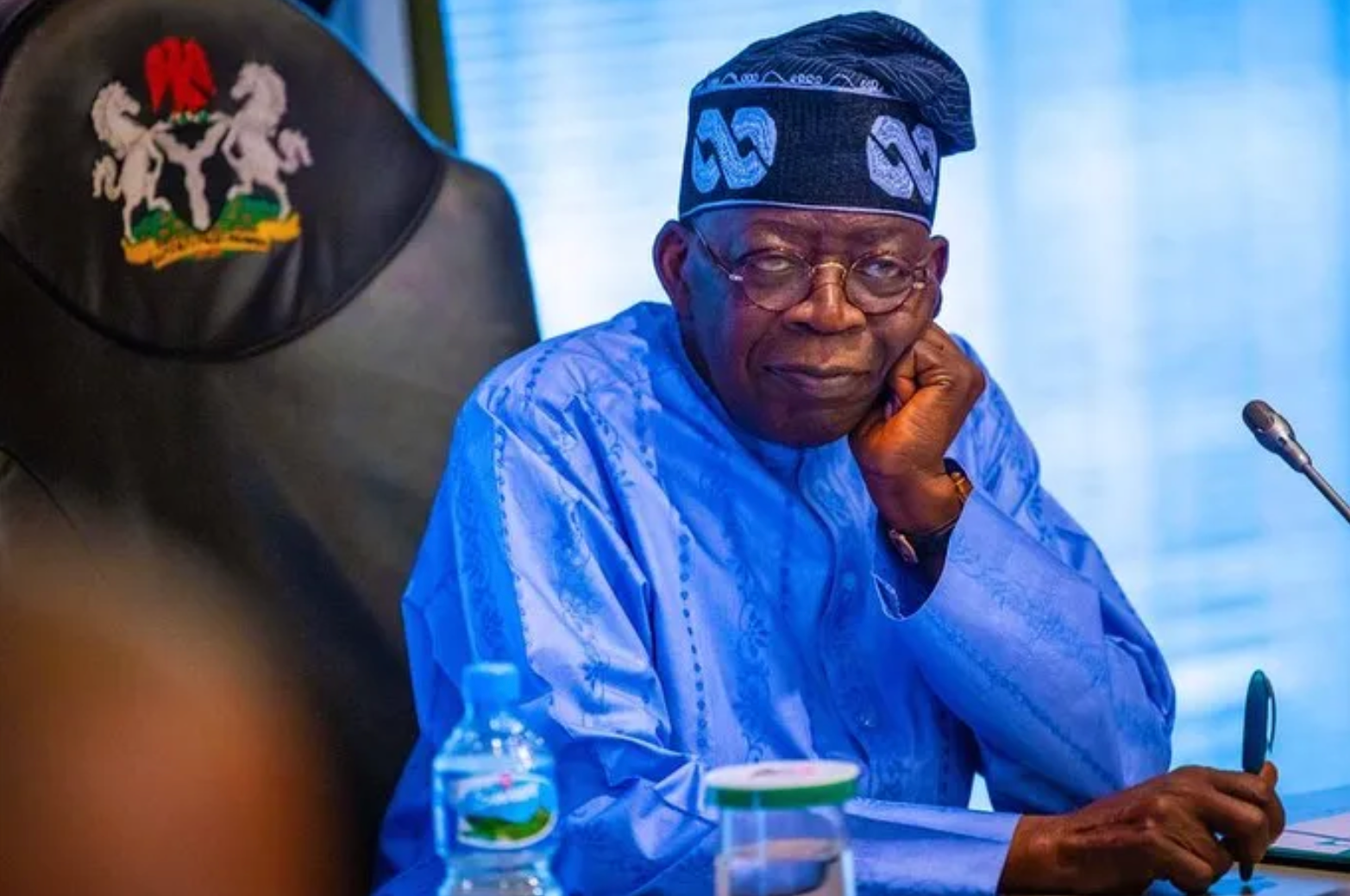
Nigeria’s presidency is navigating a delicate phase marked by economic reforms, political resistance and rising public expectations, as policy shifts reshape conversations across the country. The administration of President Bola Ahmed Tinubu has placed structural changes at the heart of its agenda, but the consequences are generating debate within political, business and civil society circles.
At the centre of the policy drive are fiscal adjustments, subsidy removals and revenue expansion efforts designed to stabilise government finances. Officials argue that these measures are necessary to correct distortions that have burdened the economy for years. However, critics warn that the immediate social costs including inflationary pressures and declining purchasing power are intensifying hardship for many Nigerians.
Government sources maintain that the reforms are long overdue, citing persistent budget deficits and unsustainable public spending patterns. The presidency has repeatedly emphasised that short-term sacrifices will pave the way for medium- and long-term gains, including improved infrastructure investment and enhanced macroeconomic stability.
Political reactions have been mixed. Allies within the ruling All Progressives Congress insist the reforms demonstrate bold leadership, framing them as evidence of political courage. Opposition voices, particularly from the Peoples Democratic Party, argue that policy sequencing and safety nets remain inadequate.
Labour unions and advocacy groups have also raised concerns, pointing to the strain on workers and vulnerable populations. Calls for wage adjustments, targeted subsidies and broader social protection programmes have grown louder. Economists suggest that without credible cushioning mechanisms, reform fatigue could translate into social unrest.
Within government, officials highlight efforts to mitigate the impact. These include interventions in food supply chains, cash transfer programmes and negotiations around minimum wage frameworks. Yet analysts say implementation challenges and bureaucratic delays continue to limit effectiveness.
READ ALSO: Nine Children Rescued from Abduction in Benue State
The presidency is also managing external pressures. International financial institutions and investors are closely monitoring Nigeria’s trajectory, linking confidence to policy consistency and governance credibility. Diplomatic engagements underscore the administration’s desire to project stability and reform commitment.
Security concerns further complicate the landscape. Persistent threats in parts of the country divert attention and resources, influencing budget priorities and shaping political discourse. The presidency’s handling of these issues remains under scrutiny.
Observers note that public perception will be decisive. If Nigerians begin to see tangible benefits such as reduced inflation, job creation and improved services political support could consolidate. Conversely, prolonged hardship may deepen scepticism.
Despite tensions, insiders insist the administration is determined to stay the course. They argue that reversing reforms would undermine investor confidence and fiscal recovery efforts. The coming months are widely viewed as critical for balancing policy persistence with political sensitivity.