



Sustainable and ethical fashion is no longer a niche movement; it is central to conversations about the future of the industry. In Nigeria, designers are increasingly embracing eco-friendly materials, traditional crafts, and fair production practices. Brands like IAMISIGO and Orange Culture are leading the way, emphasizing local sourcing, handcrafting, and slow fashion principles that respect artisans and reduce environmental impact.
Globally, sustainability has become a critical factor for both luxury and mass-market brands. High-profile designers such as Stella McCartney, Chanel, and Gucci have committed to eco-conscious materials, recycling initiatives, and carbon-neutral production practices. The rise of consumer awareness has pushed companies to reconsider supply chains, transparency, and environmental accountability.
In Nigeria, sustainability is intertwined with cultural preservation. By leveraging indigenous fabrics, recycling techniques, and traditional craftsmanship, designers can create fashion that is both environmentally responsible and culturally authentic. This approach also provides economic opportunities for rural artisans and strengthens local creative industries.
Consumers are increasingly driving this trend. Millennials and Gen Z buyers prioritize ethical production, transparency, and ecological impact when choosing brands. In Nigeria, fashion consumers are responding positively to brands that highlight social responsibility, while globally, this consciousness is influencing investment, media coverage, and collaborations.
READ ALSO: Nine Children Rescued from Abduction in Benue State
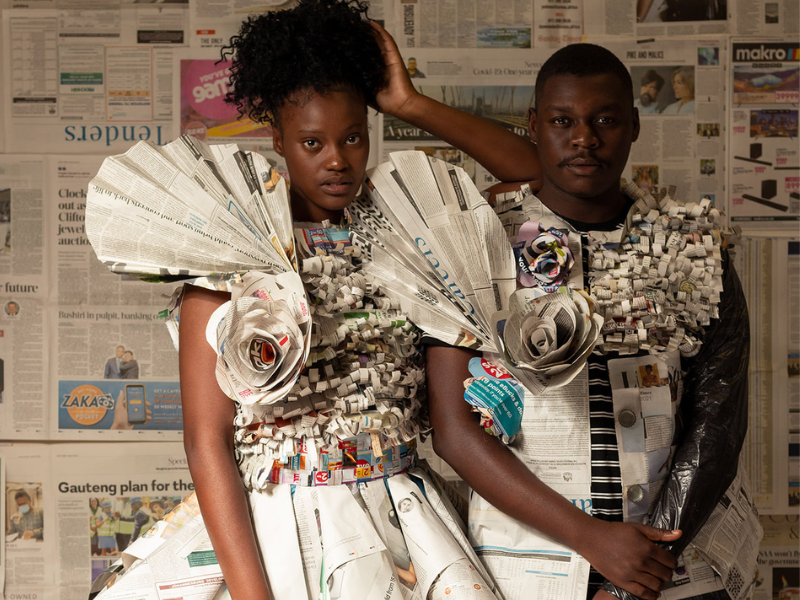
The challenge remains scalability. Sustainable production often comes at a higher cost, and balancing accessibility with ethical practices is complex. Yet innovation, such as using recycled materials or digital fashion initiatives, is helping bridge the gap between sustainability and commercial viability.
Sustainable fashion in Nigeria and globally represents a shift in how the industry values people, culture, and the environment. By embracing eco-conscious methods, designers are shaping a market that values responsibility, creativity, and long-term impact over fast trends.