


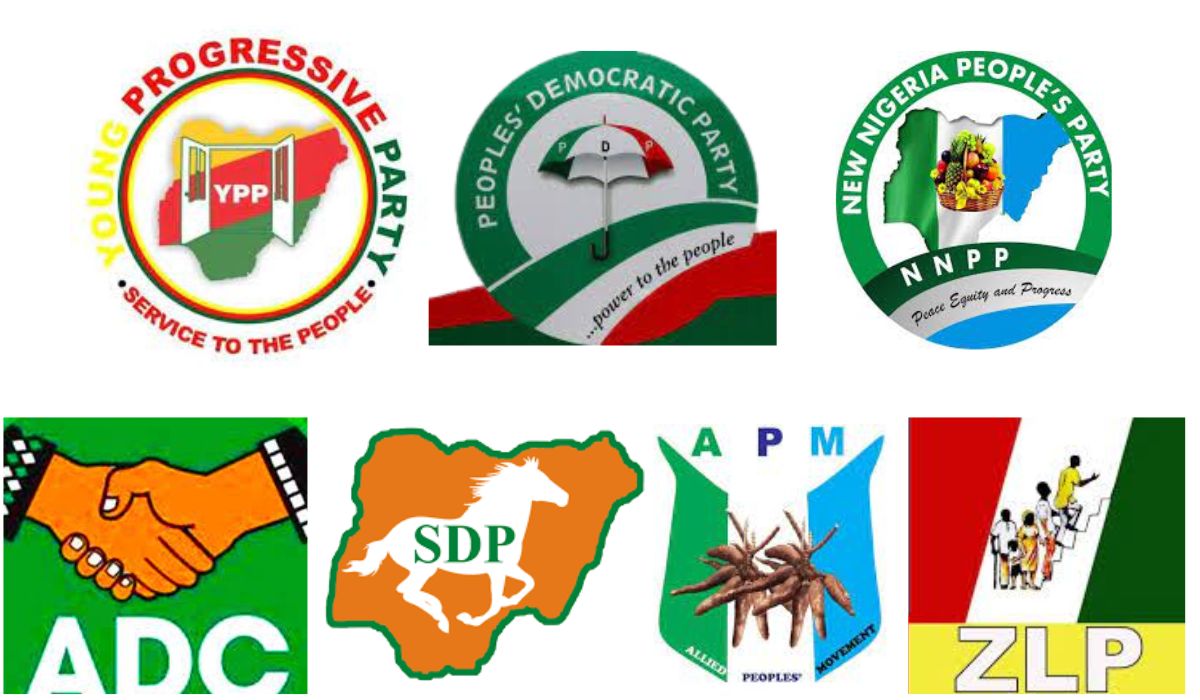
Nigeria’s opposition parties are intensifying efforts to rethink strategy as evolving political realities, economic pressures and changing voter expectations redefine the path to electoral competitiveness ahead of future polls. Party leaders, political strategists and analysts agree that survival and potential success will depend on unity, message discipline and credible engagement with a restless electorate.
Across party lines, senior figures acknowledge that the opposition’s greatest challenge remains internal fragmentation. Persistent defections, leadership disputes and ideological ambiguities have weakened the ability of rival blocs to present cohesive alternatives to the ruling All Progressives Congress. The consequences, observers say, have been visible in recent electoral cycles marked by divided opposition votes and diminished bargaining power.
READ ALSO: Nine Children Rescued from Abduction in Benue State
Within the Peoples Democratic Party, long-standing tensions over leadership structure and regional balance continue to test party discipline. Although party executives publicly project confidence, insiders concede that rebuilding trust among factions is essential for restoring organisational stability. Political analysts note that while internal disagreements are common in large parties, prolonged disputes risk eroding voter confidence.
Similarly, the Labour Party, buoyed by a surge of youth-driven momentum in recent elections, is grappling with its own internal realignments. Questions around leadership legitimacy, organisational coherence and long-term ideological positioning have emerged as critical issues. Analysts argue that translating popular enthusiasm into durable party structures remains a complex task.
Beyond structural concerns, Nigeria’s economic climate is reshaping opposition narratives. Rising living costs, inflationary pressures and employment anxieties have created fertile ground for critiques of governance. Opposition leaders frequently cite economic hardship in public addresses, framing it as evidence of policy missteps by the administration of Bola Ahmed Tinubu.
Yet analysts warn that criticism alone is no longer sufficient. Voters, they argue, increasingly demand practical, costed policy alternatives rather than rhetorical condemnation. “The electorate is fatigued by blame politics,” said a Lagos-based political economist. “People want to know what opposition parties would do differently and how.”
This shift has prompted renewed emphasis on policy articulation. Several opposition platforms are now prioritising proposals on job creation, small business support, exchange rate stability and social protection mechanisms. However, political consultants caution that coherence and credibility are crucial. Fragmented messaging, they say, can undermine even well-crafted proposals.
Youth engagement has emerged as a defining theme of opposition recalibration. Nigeria’s demographic realities with a large proportion of voters under 35 have elevated issues such as unemployment, education access, digital economy opportunities and governance transparency. Parties are investing in youth-focused messaging, digital campaigns and grassroots mobilisation.
Political communication experts observe that younger voters respond strongly to authenticity and issue-based advocacy. Social media platforms, town hall dialogues and community-level initiatives are increasingly central to outreach strategies. However, experts stress that online popularity must be matched by offline organisational strength.
Grassroots mobilisation itself is undergoing transformation. Opposition parties are expanding data-driven approaches to voter identification, sentiment analysis and targeted engagement. Campaign strategists argue that modern elections require precision rather than broad, generic appeals. Improved voter databases, polling analytics and constituency mapping are becoming strategic priorities.
Coalition-building discussions are also gaining momentum. Some opposition figures advocate alliances to consolidate votes and counterbalance the ruling party’s dominance. Historical precedents suggest that unified opposition fronts can reshape electoral outcomes, but negotiations are often complicated by leadership ambitions and ideological differences.
Sceptics question whether durable coalitions are feasible given Nigeria’s competitive political culture. Nonetheless, proponents insist that strategic cooperation, even if limited to specific electoral contexts, could enhance opposition leverage.
Issue-based advocacy is another pillar of recalibration. Rather than centring campaigns exclusively on personalities, strategists encourage sustained focus on governance themes such as economic management, security, corruption and institutional reforms. Analysts argue that policy-centred campaigns may resonate more strongly with voters seeking stability and predictability.
Despite challenges, opposition leaders express cautious optimism. Many argue that Nigeria’s democratic space remains dynamic, citing robust voter participation, judicial oversight and competitive political discourse. “Democracy thrives on credible alternatives,” said a senior opposition figure. “Our responsibility is to provide that alternative.”
Independent observers agree that adaptability will determine the opposition’s future relevance. Political environments, they note, are fluid, influenced by economic performance, governance outcomes and shifting voter priorities. Parties that fail to innovate risk marginalisation.
The stakes extend beyond party fortunes. Analysts emphasise that a vibrant opposition is essential for democratic accountability, policy debate and institutional balance. Weak opposition structures, they warn, can reduce the quality of governance and public trust.
As Nigeria moves toward another electoral cycle, the opposition’s recalibration efforts will face critical tests: resolving internal conflicts, articulating credible alternatives and reconnecting with a sceptical electorate. Whether these adjustments translate into tangible political gains remains uncertain, but few dispute the urgency.
For now, Nigeria’s opposition stands at a crossroads — challenged by fragmentation yet driven by necessity. In an evolving electoral landscape, relevance may hinge not on rhetoric or nostalgia, but on organisation, clarity and credibility.